 indiely
Launch · FIELD NOTES
Should You Release Your Indie Game Near GTA 6? A Practical 2026 Launch Guide
GTA 6 will dominate gaming attention, but that does not automatically make November a bad launch window for every Steam game. Use this practical guide to evaluate audience overlap, visibility risk, wishlists, press availability, and launch readiness before choosing your release date.
hoosing an indie game release date is already difficult. Choosing one near the biggest entertainment launch of the year can feel impossible.
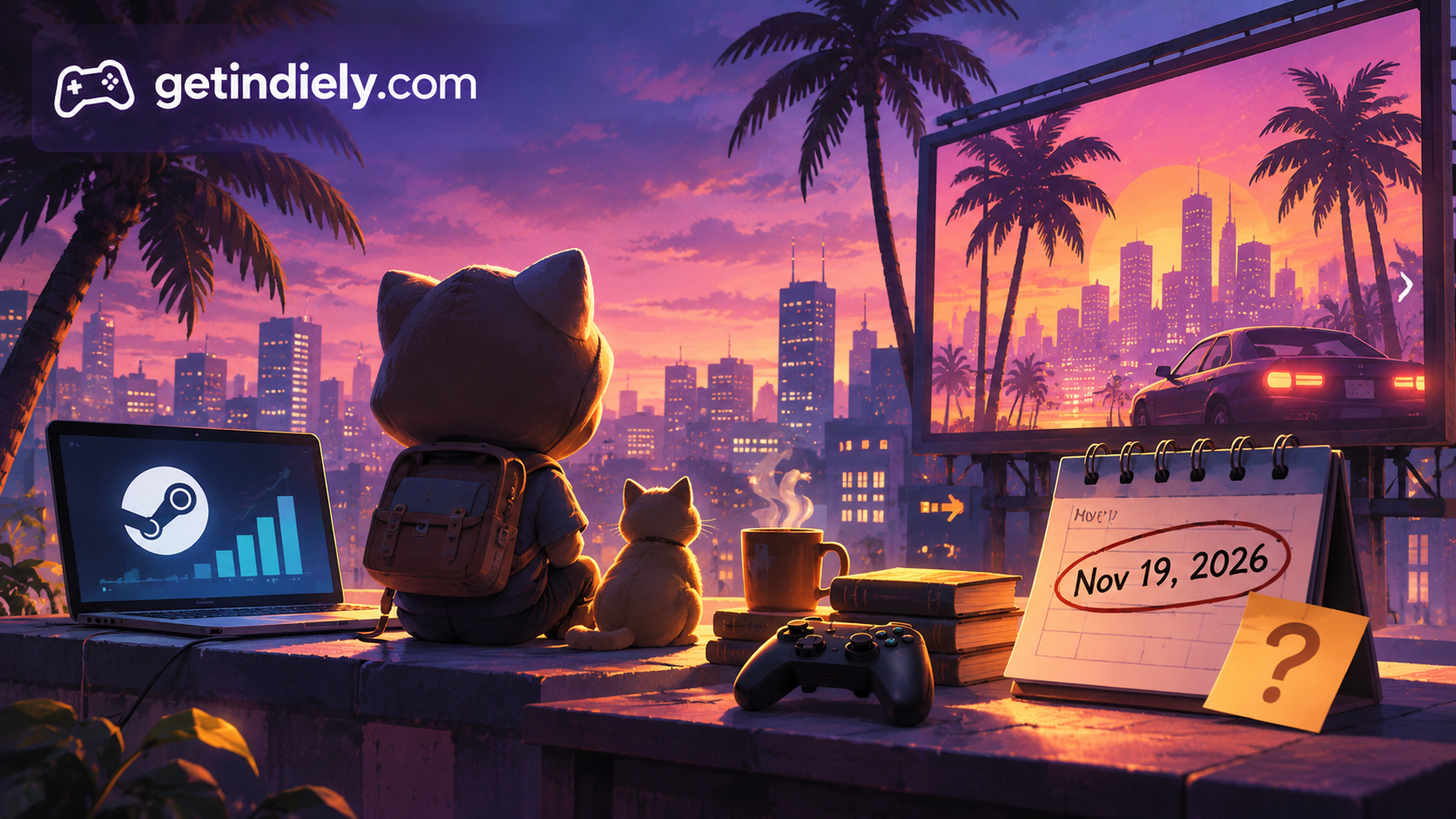
Grand Theft Auto VI is officially scheduled to release on November 19, 2026, for PlayStation 5 and Xbox Series X|S. Rockstar has not announced a PC or Steam release date. That distinction matters: a Steam-only indie game is not necessarily competing with GTA 6 on the same storefront, but it may still compete for players’ time, money, media coverage, creator attention, and social reach.
So, should you delay your indie game because of GTA 6?
For most developers, the honest answer is: not automatically. Your decision should depend on audience overlap, launch readiness, existing wishlists, genre, platform, price, and how much your campaign relies on external coverage.
This guide will help you make that decision without treating every indie game as if it competes directly with Rockstar.
When Is GTA 6 Being Released?
Rockstar Games has announced that Grand Theft Auto VI will launch on Thursday, November 19, 2026, for PlayStation 5 and Xbox Series X|S.
At the time of writing, Rockstar has not announced a PC or Steam release date. You can verify the latest platform information in the official GTA 6 release announcement.
That means the risk is not as simple as “GTA 6 launches, so nobody will browse Steam.” Steam remains a separate storefront with its own discovery systems, release calendar, wishlists, tags, and player behavior.
However, GTA 6 will influence the wider gaming conversation. Expect heavy coverage across YouTube, Twitch, gaming websites, social platforms, podcasts, newsletters, and mainstream media before and after launch.
Your game may not compete with GTA 6 for a Steam store position, but it could compete for attention outside Steam.
The Real Risks of Releasing an Indie Game Near GTA 6
The biggest risk is not that every player will stop buying indie games. The real risk is that the channels you depend on may become unusually crowded.
Press and creator attention
Journalists, streamers, YouTubers, and gaming newsletters have limited publishing capacity. During a major launch, much of that capacity may be dedicated to reviews, guides, comparisons, streams, technical coverage, and discussions about GTA 6.
If your launch depends heavily on creator coverage, your emails may receive fewer replies. Even creators who like your game may postpone covering it.
This risk is highest for developers who:
- Need press coverage to generate their first wave of traffic
- Have not established relationships with creators
- Plan to send review keys shortly before release
- Target broad gaming audiences rather than a defined niche
- Depend on launch-day social media reach
Sending keys earlier can reduce this pressure, but it cannot guarantee coverage.
Player attention and spending
A major release can absorb both time and discretionary spending. Players interested in open-world action games may decide to purchase GTA 6 first and postpone other purchases.
The effect will not be equal across genres. A short puzzle game, cozy management title, deckbuilder, visual novel, or low-priced horror game may serve a different need and audience. It could still perform well if its store page communicates that difference immediately.
Social media visibility
Gaming feeds will likely be filled with GTA 6 clips, reactions, memes, reviews, discoveries, and technical discussions. A standard “our game is out now” post may struggle to earn attention.
This does not make promotion impossible. It means your creative assets must communicate the game’s hook faster. Your capsule, trailer opening, short description, screenshots, and first social post need to work together.
Before announcing your date, use the [Steam Page Analyzer](/tools/steam-page-analyzer/) to identify weak store-page elements and the [Capsule Studio](/tools/steam-capsule-studio/) to inspect whether your capsule remains readable at realistic Steam sizes.
Steam and Console Audiences Are Not the Same
GTA 6’s announced November release is for consoles, while many indie developers launch primarily or exclusively on Steam.
That separation can reduce direct storefront competition. GTA 6 will not occupy a Steam new-release slot on November 19 unless Rockstar announces a PC version for that date. Steam players will continue browsing new releases, discovery queues, tags, recommendations, wishlists, and festivals.
Steam visibility is also personalized. According to Valve, recommendations can depend on player preferences, tags, location, language, friends, curators, and other contextual signals. Valve does not describe Steam as one universal ranking where a console launch automatically removes every indie game from view.
Wishlists remain particularly important because Steam can notify interested players when a game releases. Valve recommends publishing a Coming Soon page early, maintaining communication, and using wishlist data to understand interest. See Valve’s official Steam wishlist documentation.
The practical question is therefore not:
“Is GTA 6 bigger than my game?”
It obviously is.
The useful question is:
“How much does my audience, marketing campaign, and launch platform overlap with GTA 6?”
That question leads to a better decision.
Should You Change Your Indie Game Release Date?
Consider moving your release if most of the following statements are true:
- Your game targets players who strongly prefer open-world action games
- You plan to launch on PlayStation or Xbox
- Your price requires players to make a meaningful purchasing decision
- Your campaign depends heavily on general gaming press
- You need broad creator coverage during launch week
- Your store page still has major conversion problems
- Your demo or build has not been tested enough
- You have few wishlists and no reliable audience of your own
- Moving the date would not create serious financial or operational problems
Keeping the date may still be reasonable if:
- You are launching only on Steam
- Your genre and audience are clearly different
- Your game has a focused niche following
- Your wishlists and community can produce an initial launch audience
- Reviewers and creators already have access to the game
- Your launch campaign began well before November
- Your game is inexpensive, short, or suited to a different play pattern
- Moving the date would place you against more relevant Steam competitors
- Your team is fully prepared to support the game
A large release is only one variable. Delaying an otherwise ready game can introduce new competitors, festival conflicts, cash-flow problems, production costs, or lost momentum.
A Practical Release-Date Decision Framework
Use the following process before changing your date.
1. Measure audience overlap
Describe your ideal player in one sentence. Then compare that player with GTA 6’s likely audience.
“People who play video games” is too broad. Consider genre preference, platform, session length, price sensitivity, multiplayer interest, age range, and the creators they follow.
High audience overlap increases risk. Low overlap reduces it.
2. Review your wishlist foundation
Wishlists give interested Steam users a direct connection to your launch. Valve states that users who have wishlisted a game may receive an email or mobile notification when it releases.
Look beyond the total number. Review:
- Daily wishlist additions
- Wishlist growth after announcements
- Demo-to-wishlist performance
- Regional distribution
- Creator campaign results
- Deletions and purchase intent
- Traffic sources that consistently convert
A smaller but engaged audience can be more valuable than a larger, inactive one.
3. Check your nearest Steam competitors
Do not review only AAA releases. Search for Steam games launching in the same week with similar tags, price points, art styles, or audience promises.
A highly relevant indie competitor may affect your store performance more directly than a console-exclusive blockbuster.
4. Audit your launch readiness
A different date will not repair a weak launch by itself. Check whether your capsule earns attention, your short description explains the hook, your screenshots show meaningful gameplay, and your trailer reaches gameplay quickly.
Use Indiely’s free [Steam Launch Checklist](/tools/steam-launch-checklist/) to review the parts of your campaign that are under your control.
Try it free on Indiely: Open the Try it free on Indiely. Open the Launch Checklist and audit your store page, campaign assets, and launch preparation before committing to a date.
5. Evaluate your marketing dependence
Ask where your first customers will come from.
If your plan relies almost entirely on press and creators discovering the game during launch week, GTA 6 creates a larger risk. If you already have wishlists, Discord members, newsletter subscribers, demo players, and creator commitments, you have more control.
6. Compare alternative dates
Do not move the game until you evaluate the alternative window. Check:
- Relevant games releasing that week
- Steam festivals and seasonal sales
- Your team’s support availability
- Localization and QA readiness
- Creator schedules
- Marketing runway
- Player buying patterns
- Whether the new date creates additional development costs
The correct choice is not “near GTA 6” versus “no competition.” Every realistic release window has competition.
How Far Away From GTA 6 Should You Launch?
There is no universal safe distance.
If your audience overlaps heavily with GTA 6 and you depend on general gaming coverage, avoiding the week before release, launch week, and the immediate post-launch conversation may be sensible. Moving only one or two days will not meaningfully change the media environment.
If your game targets a different niche on Steam, you may need a much smaller buffer—or none at all.
Do not choose an arbitrary number of weeks. Choose the nearest window in which:
- Your target players are available
- Your relevant creators can cover the game
- Your Steam competitors are manageable
- Your build and store page are ready
- Your team can support the launch
- You have enough time to explain why the game is worth attention
Valve also notes that release dates affect upcoming-release lists and that developers lose the ability to change their date inside the final two-week window once additional upcoming visibility begins. Review the current Steamworks release-date documentation before making a late change.
Final Verdict: Should You Release Near GTA 6?
Do not delay your game solely because GTA 6 is enormous.
Delay it if GTA 6 creates a specific, measurable problem for your launch: substantial audience overlap, unavailable creators, crowded press coverage, limited player spending, or a campaign that is not ready to stand on its own.
Keep your date if your game serves a different audience, launches primarily on Steam, has an existing wishlist base, and can clearly communicate its value without depending on the general gaming news cycle.
Your indie game release date should be based on your audience and evidence—not fear of a famous title.
Before locking the date, test the parts you can control. Audit your Steam page, compare nearby releases, validate your capsule, and confirm that your launch campaign can reach players even during a noisy week.
[Analyze your Steam page for free](/tools/steam-page-analyzer/) and identify the store-page issues worth fixing before launch.
More from the Journal
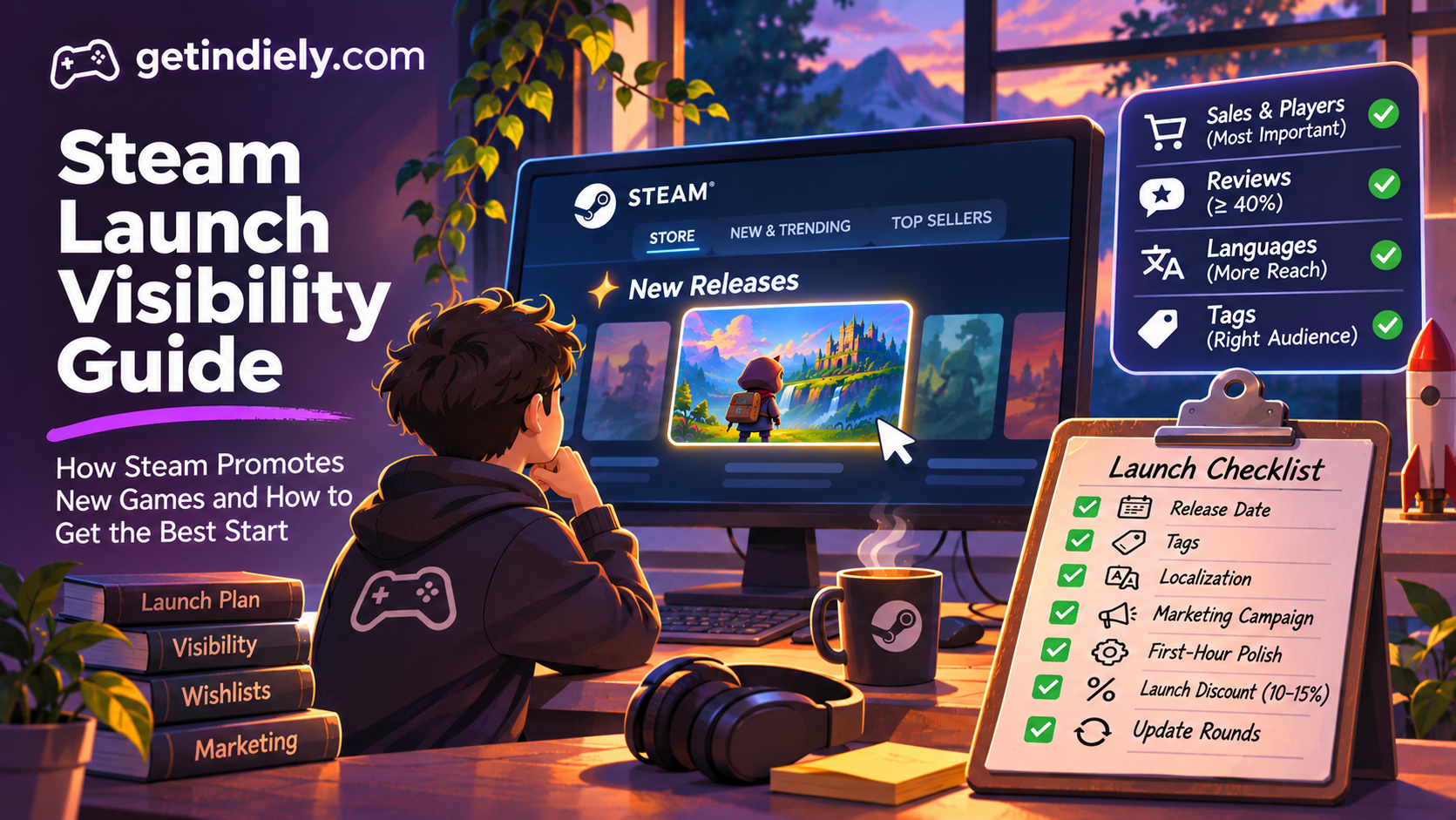
How Steam Launch Visibility Works (and How to Make the Most of It)
What Steam actually does for a new release, which factors help visibility according to Valve, which do not, and how to prepare for launch week.
Read the article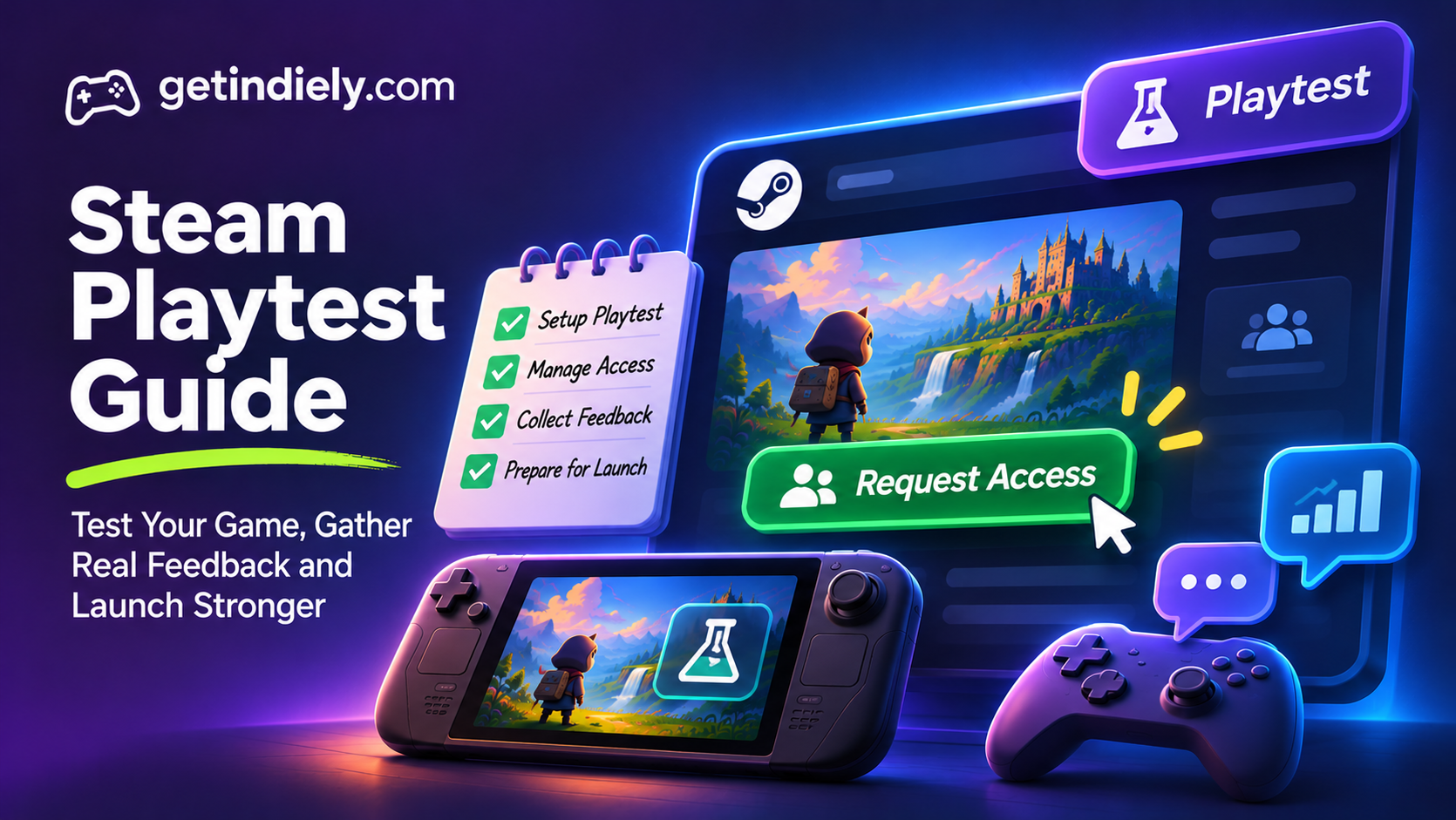
Steam Playtest Guide: How to Test Your Game With Real Players
What Steam Playtest is, how it differs from demos and beta keys, how to set one up, how to choose who gets in and how to end a test without losing goodwill.
Read the article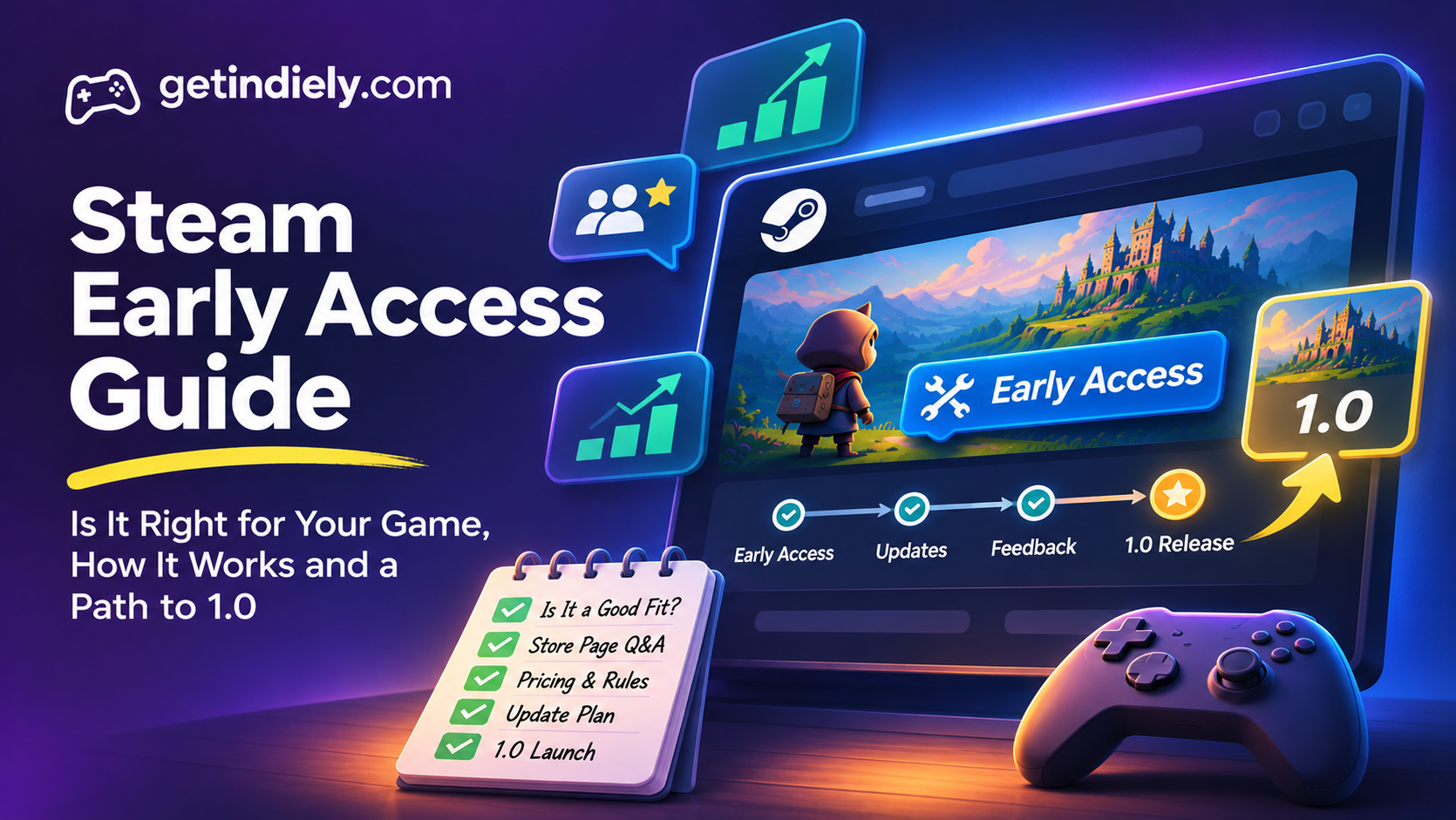
Is Steam Early Access Right for Your Indie Game? Rules, Pricing and 1.0
What Valve says Early Access is for, its rules, the store page questions, pricing during Early Access and how the 1.0 launch and wishlist emails work.
Read the article