 indiely
Launch · FIELD NOTES
Is Steam Early Access Right for Your Indie Game? Rules, Pricing and 1.0
What Valve says Early Access is for, its rules, the store page questions, pricing during Early Access and how the 1.0 launch and wishlist emails work.
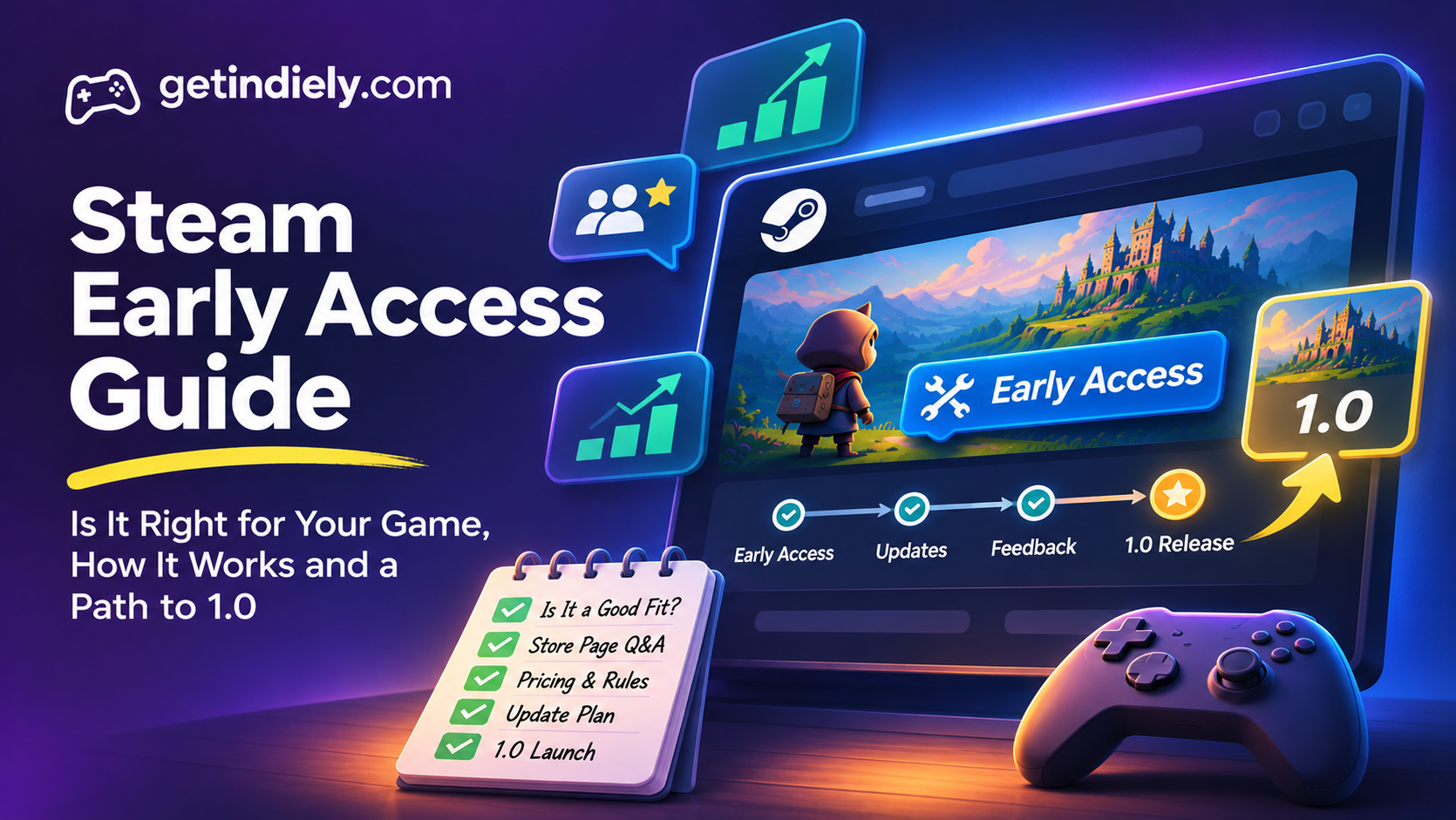
Early Access can fund development, build a community and improve your game with real player feedback. It can also lock you into years of public development, with reviews judging an unfinished game. Whether it's right for you depends on your game, your team and your finances, not on what worked for a famous Early Access hit.
This guide explains what Valve says Early Access is for, its rules, the questions you'll have to answer on your store page, and how pricing and the 1.0 launch work.
What Steam Early Access is (and isn't)
According to Valve's Early Access documentation, Early Access lets you sell a game while it's still in development, and tells buyers clearly that it isn't finished. It suits games in a playable alpha or beta state that you plan to keep developing.
Valve is equally clear about what it isn't:
- It isn't crowdfunding. "Early Access is not a way to crowdfund development of your product."
- It isn't a pre-purchase. Players buy the game as it is today.
- It isn't Advance Access, which is a separate pre-purchase incentive for Deluxe package buyers.
Is Early Access right for your game?
Valve names two situations where Early Access is a poor fit, and recommends studying other Early Access games, the developer forums and case studies before deciding.
| Early Access can fit when... | Valve says it's a poor fit when... |
|---|---|
| The game is playable and fun now, with clear room to grow | You're still testing whether the game is fun. Valve suggests sharing keys with a small group first |
| Player feedback will shape real decisions, such as balance, content or systems | Gameplay is already defined and you only need final bug testing |
| You can keep updating for a long time | You're already finished with development |
Our own addition: don't count on Early Access sales to fund the rest of development. Plan so you can finish the game even if Early Access sells less than you hope.
Valve's Early Access rules
Valve lists these rules for Early Access games:
- Don't make specific promises about the future. Players should buy based on the game's current state, not on planned features.
- Launch with a playable game. At a minimum, a video trailer showing real gameplay.
- Don't launch in Early Access if development is finished.
- Sell on Steam no later than anywhere else. "Do not offer it for sale on Steam any later than you offer it anywhere else."
- Keep price parity. The Early Access price should be no higher than on any other store or website.
- Disclose Early Access everywhere you sell keys. Include Steam Early Access branding, information about the game's current state, a link to the Early Access FAQ and a copy of your questionnaire.
- Be transparent. Tell your community about things like save-breaking updates, wherever you sell the game.
The Early Access questions on your store page
Every Early Access store page includes a Q&A section. Valve calls the questions guidelines, but asks you to be "detailed and transparent". You'll answer:
- Why you're using Early Access and what you want to achieve
- Roughly how long the game will stay in Early Access
- How the full version will differ from the current version
- The current state of the game
- Whether the price will change during and after Early Access
- How you'll involve the community in development
Players read these answers to decide whether to trust you. Specific, honest answers ("about 12–18 months; we plan to add two more regions and a story mode") work better than vague ones ("until it's done").
Pricing in Early Access
Valve describes two common approaches: start below your target launch price and raise it as content grows, or start higher to reach a smaller, dedicated group of players. The rules that apply either way:
- No permanent discount. "You may not run a permanent discount while in Early Access." If you want a lower price, set a lower base price.
- Price increases block discounts. You can't run a discount within 30 days after a price increase, including a launch discount at 1.0.
- Raising the price at 1.0 is allowed, but afterwards you must wait at least 30 days before changing it again or running a discount. Request the change a couple of days before the transition so it's approved in time.
Our guide to pricing your indie game on Steam covers how to research a price, and the free Steam revenue calculator shows what you keep per copy.
Staying active during Early Access
- Post news for major updates and delays. Players forgive delays much more easily when you tell them.
- Revisit your store page at least once a year, as Valve recommends, so your Q&A and description match the current game.
- Set a planned 1.0 date in the Early Access tab, as a specific date or a looser timeframe.
- Don't go silent. If there's no build update on the default branch or no "update" event for more than 12 months, Steam shows a notice on your store page.
Our guide to Steam events and announcements explains how to post updates players actually see.
Leaving Early Access: the 1.0 launch
To leave Early Access, Valve's steps are:
- Upload and publish your 1.0 build.
- Click "View Release Options" and press the Release button. This updates your release date, removes the Early Access branding and applies any launch discount.
- Post an announcement on your Community Hub.
Players who have your game wishlisted receive an automatic email when it moves to released. Valve also notes that "you will not receive your full launch visibility until you are fully released," which makes 1.0 a real second launch. Once released, a game can't go back to Early Access or Coming Soon.
Steam Early Access checklist
- The game is playable and fun now, and strangers have tested it.
- You can finish the game even if Early Access sales are modest.
- Your store page describes the current game, without specific promises.
- The Early Access Q&A is detailed, honest and specific.
- Your price is the same or lower on Steam than anywhere else, and keys sold elsewhere carry Early Access disclosures.
- You have a plan for regular updates and news posts.
- You've kept some Update Visibility Rounds for after 1.0.
- Any 1.0 price increase is planned with the 30-day discount rule in mind.
Steam Early Access FAQ
How long can a game stay in Early Access?
Valve doesn't set a limit. Early Access can last as long as needed, but Valve recommends revisiting your store page at least once a year, and Steam shows a notice if there are no updates for more than 12 months.
Can I raise my price when leaving Early Access?
Yes. But a price increase blocks discounts for 30 days, so it would cancel a 1.0 launch discount, and you must wait at least 30 days before changing the price again.
Do wishlisters get notified when my game leaves Early Access?
Yes. Valve says players with the game on their wishlist receive an automatic email when it transitions to released. They're also emailed at the Early Access launch.
Can I promise future features on my Early Access page?
Valve says not to make specific promises about future events. Players should buy based on the game's current state.
Sources
More from the Journal
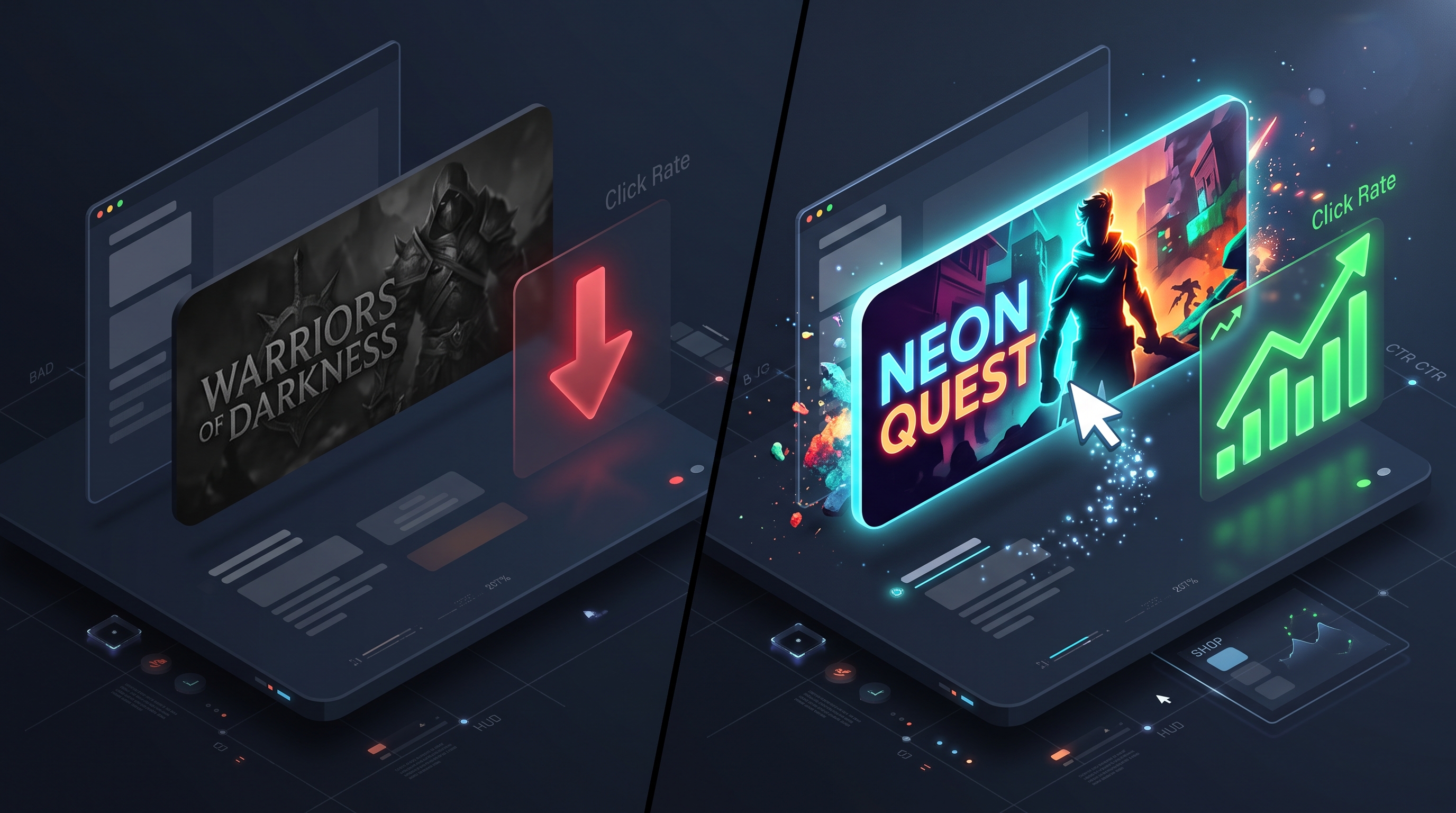
How to Optimize Your Steam Capsule (2026)
Design Steam capsule art that still reads at 120 × 45 px: Valve's capsule rules, five common mistakes, and a simple thumbnail test before launch.
Read the article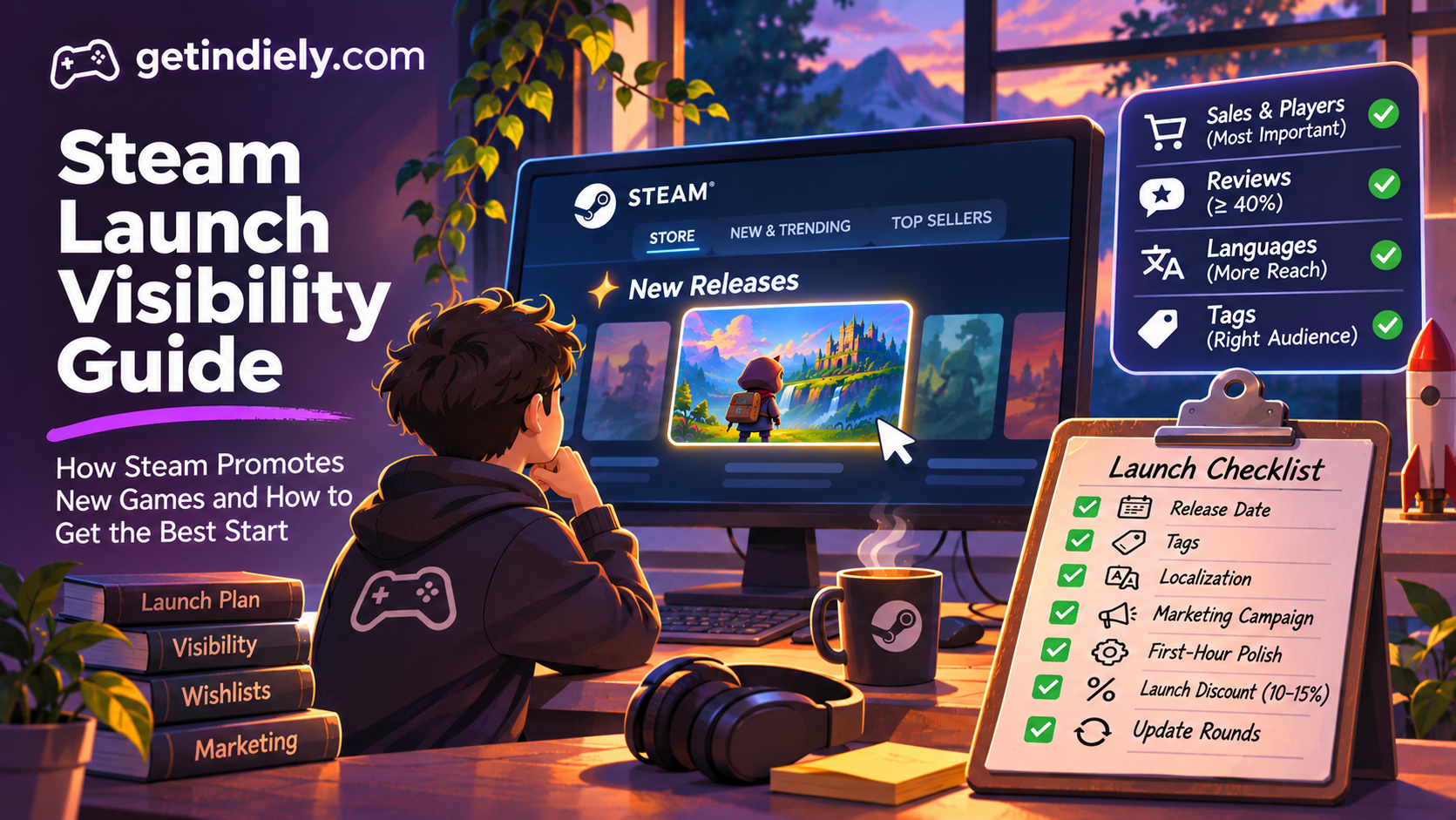
How Steam Launch Visibility Works (and How to Make the Most of It)
What Steam actually does for a new release, which factors help visibility according to Valve, which do not, and how to prepare for launch week.
Read the article
Should You Release Your Indie Game Near GTA 6? A Practical 2026 Launch Guide
GTA 6 will dominate gaming attention, but that does not automatically make November a bad launch window for every Steam game. Use this practical guide to evaluate audience overlap, visibility risk, wishlists, press availability, and launch readiness before choosing your release date.
Read the article